



Choosing the Right Setting for a Loved One's Next Chapter
When families search for assisted living in Richmond, TX, they usually find two very different kinds of places. On one side are large assisted living communities with long hallways, dozens or even hundreds of apartments, and a full activity calendar. On the other side are small residential care homes, where a handful of residents live together in a real house on a neighborhood street.
Both can provide good care, and neither is right for everyone. The setting you choose shapes almost every part of your loved one's day, from how quickly someone answers a call for help to who they sit with at dinner. In this article, we are comparing small care homes and large facilities side by side, looking at staffing, daily life, and medical support, and sharing what to consider when you visit options in Richmond and Katy.
What Makes a Small Residential Care Home Different
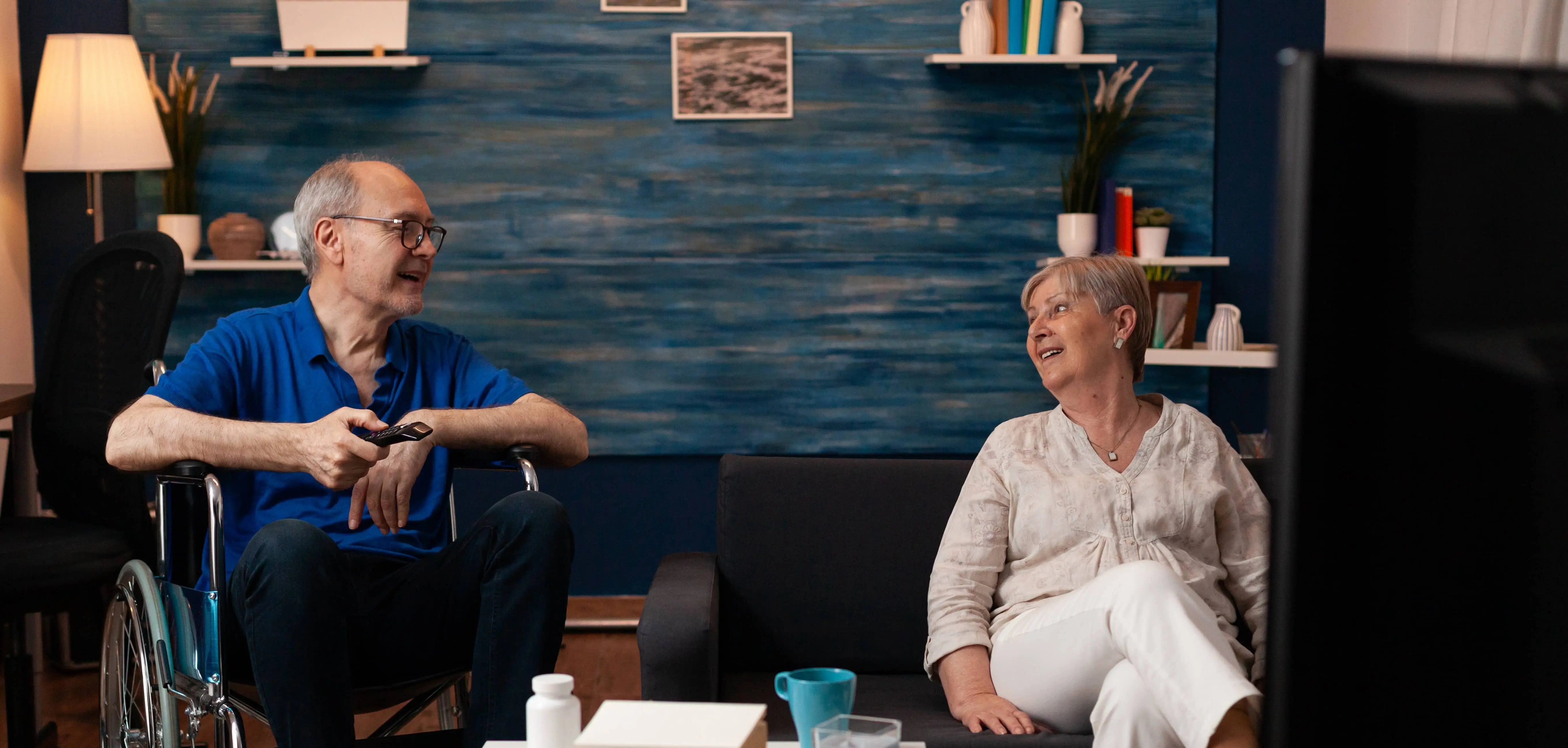
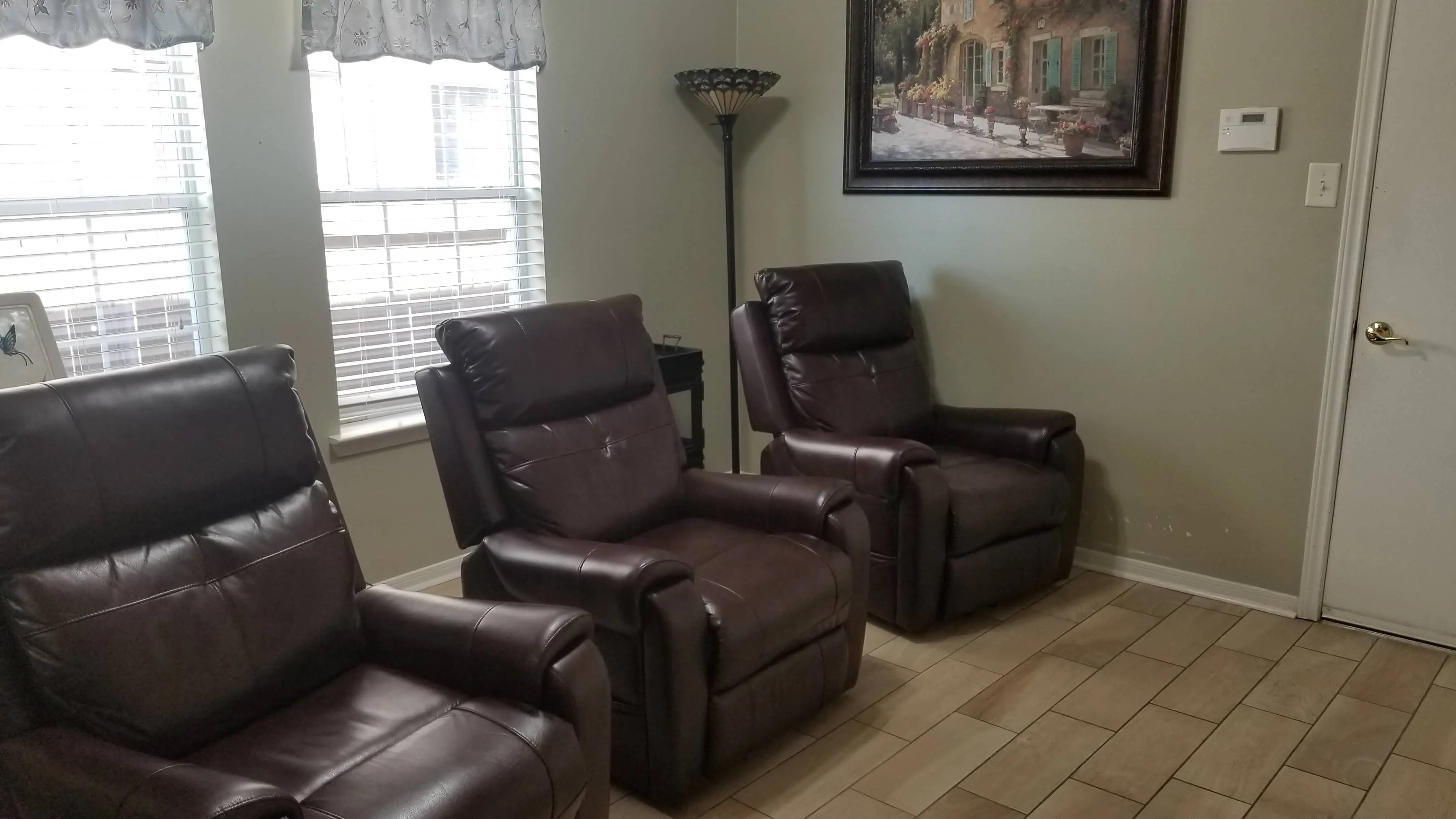
A residential care home is exactly what it sounds like: a licensed assisted living setting inside a single-family home. Instead of a building designed around a lobby and nurses' station, residents share a living room, a kitchen, a dining table, and a backyard. In Texas, these homes follow the same state licensing rules for assisted living as larger facilities, but they care for far fewer people at one time.
That smaller scale changes the feel of daily life. Typically, a small care home offers:
- A handful of residents rather than dozens, often ten or fewer
- The same small group of caregivers each day, who get to know each resident well
- Home-cooked meals served at a shared table
- A quiet, familiar setting that feels like a house rather than a building
For many older adults, especially those who are easily overwhelmed or living with memory changes, that familiarity is calming. Fewer faces, fewer hallways, and less noise can make the transition much easier.
What Large Assisted Living Facilities Offer
Large assisted living communities are built for scale. They often include private apartments, several dining options, on-site salons, fitness rooms, and a busy calendar of outings and events. For a resident who is still very social, fairly independent, and energized by a lot of activity, that setting can be a great fit.
The trade-offs usually show up as needs increase. In a larger building, caregivers may be responsible for more residents across more space, and response times can depend on where staff happen to be at that moment. Staff turnover can also mean your loved one is regularly meeting new caregivers. Some large communities also move residents to a different wing or building, or require a separate level of care contract, once needs go beyond what their original license or program covers.
None of this makes large facilities a poor choice. It simply means it is worth asking detailed questions about staffing, nighttime care, and what happens if your loved one's health changes.
Comparing Staffing, Attention, and Daily Life
The biggest practical difference between the two settings is how much one-on-one attention each resident receives. The caregiver-to-resident ratio, especially overnight, tells you a lot about how quickly help will arrive and how well staff will notice small changes.
When comparing homes, look closely at:
- Caregiver-to-resident ratio. Ask for the actual number during the day and at night, not a general statement about staffing.
- Consistency of caregivers. Find out how long the team has been there and whether residents see the same faces each day.
- Response time. Ask how staff know when someone needs help and how quickly they typically respond.
- Meals. Ask whether food is cooked on site and whether dietary needs and preferences are accommodated.
- Activities. Look at an activity calendar and notice whether residents are actually engaged during your visit.
- Accessibility. Check that bathrooms, doorways, and outdoor areas work well for walkers and wheelchairs.
In a small home, it is easier for caregivers to notice when someone is eating less, sleeping more, or seems a little off. Those small observations often lead to earlier doctor visits and fewer emergencies.
Medical Support, Safety, and Planning for Changing Needs
Families sometimes assume that a large facility automatically means better medical care. In reality, the more important questions are what the home is licensed to provide, how medical needs are handled day to day, and whether your loved one can stay as those needs grow.
Before deciding, ask each home:
- What license type they hold, and whether they accept residents who need help evacuating or need care at night
- Whether doctors or nurse practitioners are on call, and how emergencies are handled
- Who manages medications and how doses and changes are tracked
- What safety features are in place, such as fire sprinkler systems and emergency response plans
- At what point, if any, a resident would be asked to move elsewhere
A small home with the right license and strong medical access can care for residents with significant needs, often with more personal attention than a larger building can offer. Planning ahead now can prevent a stressful second move later.
Work with a Local Care Home That Treats Residents Like Family
The best way to decide is to visit both kinds of settings and pay attention to how each one feels. Notice whether residents seem comfortable, whether caregivers call people by name, and whether the home looks and sounds like somewhere you would want to spend your own afternoons.
At Comfy Home, we have spent twenty-three years caring for elderly and disabled residents in small, home-like settings. Our Richmond home cares for no more than nine residents, and our home in the Cinco Ranch area of Katy cares for no more than ten, each with a one-to-four caregiver-to-resident ratio and twenty-four-hour staff supervision. As a licensed Type B home welcoming both Type A and Type B residents, we offer private and semi-private rooms, home-cooked meals with daily snacks, medication monitoring, housekeeping and laundry, full wheelchair accessibility, and doctors and nurse practitioners on call. Our activity director keeps the house lively with bingo, sing-alongs, arts and crafts, games, and holiday celebrations. Our founder opened Comfy Home to care for her own brother, and we still care for every resident the way we would care for our own family.
Visit Our Richmond Care Home Today
If you are weighing a small care home against a larger facility, we would love to show you what daily life looks like at Comfy Home. Take a closer look at our home offering assisted living in Richmond, TX, or explore our home for assisted living in Katy, TX and our full list of assisted living services. When you are ready to see the house in person or have questions, just contact us and we will get back to you promptly.